

Discover how Artificial Intelligence is transforming the e-commerce landscape. From personalized shopping experiences to enhance security and marketing, explore the AI innovations shaping the future of online retail.
Introduction to Artificial Intelligence in E-Commerce
In today’s fast-paced digital world, the integration of artificial intelligence (AI) in e-commerce has revolutionized the way businesses interact with customers and manage their operations. AI, with its ability to analyze data, learn from patterns, and make decisions, has become a game-changer in the e-commerce industry. This article will explore the various ways in which AI is transforming the future of e-commerce, from personalized shopping experiences to streamlining inventory management and supply chain, AI-powered customer service, fraud detection, security, and the future of e-commerce marketing.
Defining Artificial Intelligence
Artificial intelligence refers to the simulation of human intelligence processes by machines, especially computer systems. These processes include learning, reasoning, and self-correction. In the context of e-commerce, AI enables machines to analyze customer data, predict preferences, and automate various tasks to enhance the overall shopping experience.
The Role of AI in E-Commerce
AI plays a crucial role in e-commerce by providing businesses with valuable insights into customer behavior, preferences, and trends. It enables e-commerce platforms to deliver personalized recommendations, optimize inventory management, provide efficient customer service, and enhance security measures.
Importance of AI in the Future of Online Shopping
The future of online shopping is heavily reliant on AI to deliver personalized and seamless experiences for customers. With the increasing competition in the e-commerce landscape, businesses that leverage AI technologies will have a competitive edge in attracting and retaining customers.
Personalized Shopping Experiences
Utilizing AI for Personalized Product Recommendations
One of the key ways AI is changing the future of e-commerce is through personalized product recommendations. AI algorithms analyze customer data, including past purchases, browsing history, and demographic information, to suggest products that are highly relevant to individual customers. This level of personalization enhances the shopping experience and increases the likelihood of conversion.
Enhancing Customer Experience through AI-Driven Personalization
AI-driven personalization goes beyond product recommendations. It encompasses personalized marketing messages, tailored promotions, and customized content based on individual preferences. By delivering relevant and timely content to customers, e-commerce businesses can significantly improve customer engagement and satisfaction.
Benefits of Personalized Shopping Experiences for E-Commerce
The implementation of AI-driven personalized shopping experiences offers several benefits for e-commerce businesses, including:
- Increased customer satisfaction and loyalty
- Higher conversion rates and average order value
- Improved customer retention and repeat purchases
- Enhanced brand perception and customer trust

Streamlining Inventory Management and Supply Chain
AI-Powered Demand Forecasting and Inventory Optimization
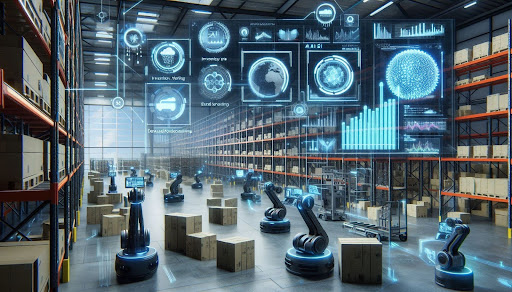
AI plays a critical role in optimizing inventory management by accurately forecasting demand and automating inventory replenishment processes. By analyzing historical sales data, market trends, and external factors, AI algorithms can predict future demand with a high degree of accuracy, preventing stockouts and overstock situations.
Improving Efficiency and Reducing Costs with AI in Supply Chain Management
AI-driven supply chain management enhances operational efficiency by automating repetitive tasks, optimizing logistics and distribution, and minimizing wastage. This results in cost savings and improved overall performance of the supply chain.
Case Studies of Successful Implementation of AI in Inventory Management
Several e-commerce businesses have successfully implemented AI in inventory management and supply chain operations, resulting in significant improvements in inventory turnover, reduced carrying costs, and streamlined logistics. Companies such as Amazon, Alibaba, and Walmart have leveraged AI to optimize their supply chain processes and achieve a competitive advantage in the market.
AI-Powered Customer Service and Support
Chatbots and Virtual Assistants for Enhanced Customer Service
AI-powered chatbots and virtual assistants have transformed the way e-commerce businesses handle customer inquiries and support requests. These intelligent systems can engage in natural language conversations, provide instant responses to customer queries, and even assist in the product selection process.
AI-Driven Customer Support Automation
By automating routine customer support tasks such as order tracking, returns processing, and FAQs, AI frees up human agents to focus on more complex and high-value interactions, leading to improved overall customer service efficiency.
The Impact of AI on Customer Satisfaction and Retention
The integration of AI in customer service has a direct impact on customer satisfaction and retention. Prompt and accurate responses, personalized recommendations, and proactive support contribute to a positive customer experience, leading to increased loyalty and advocacy.
Fraud Detection and Security in E-Commerce
AI-Based Fraud Detection and Prevention
E-commerce businesses face the constant challenge of fraud and security threats. AI-powered fraud detection systems analyze transactional data in real-time to identify suspicious patterns and prevent fraudulent activities, safeguarding both businesses and customers.
Enhancing Payment Security with Artificial Intelligence
AI algorithms are capable of detecting anomalies in payment transactions, identifying potential fraud, and securing online payment processes. This level of security instills trust in customers and ensures the integrity of e-commerce transactions.
Protecting E-Commerce Businesses and Customers from Cyber Threats
With the increasing sophistication of cyber threats, AI plays a crucial role in proactively identifying and mitigating security risks. By continuously learning from new threat patterns, AI systems can adapt and strengthen security measures to protect e-commerce platforms and their users.
The Future of E-Commerce Marketing with AI
AI-Driven Marketing Strategies for E-Commerce
AI is revolutionizing e-commerce marketing by enabling businesses to create highly targeted and personalized marketing campaigns. By analyzing customer data and behavior, AI can segment audiences, deliver personalized content, and optimize marketing strategies for maximum impact.
Leveraging AI for Targeted Advertising and Customer Acquisition
AI algorithms can analyze vast amounts of data to identify potential customers, predict their purchasing behavior, and deliver targeted advertisements across various digital channels. This level of precision in advertising maximizes the return on investment and improves customer acquisition.
The Evolution of Digital Marketing in the Age of Artificial Intelligence
The integration of AI in digital marketing represents a paradigm shift in the way e-commerce businesses engage with their audience. By delivering hyper-personalized content, optimizing ad spend, and automating campaign management, AI is reshaping the future of e-commerce marketing.
Conclusion
The transformative potential of AI in shaping the future of e-commerce is undeniable. From personalized shopping experiences to streamlined operations, enhanced customer service, and robust security measures, AI is driving sustainable growth and innovation in the e-commerce industry. Businesses that embrace AI technologies will be well-positioned to thrive in the competitive e-commerce landscape.
Embracing AI technologies for sustainable growth is essential for e-commerce businesses looking to stay ahead of the curve and meet the evolving demands of customers. By leveraging AI for personalized experiences, efficient operations, and enhanced security, e-commerce businesses can create a competitive edge and drive long-term success.Take an AI Assessment at assessment.com for a Competitive Edge in E-Commerce.